
Filter cleaning · 3 min read
What should you record when the filter label is unreadable?
Build a useful filter identification record from accessible photos and existing paperwork when a faded label cannot supply a dependable model.
By Deep Blue Pools ·
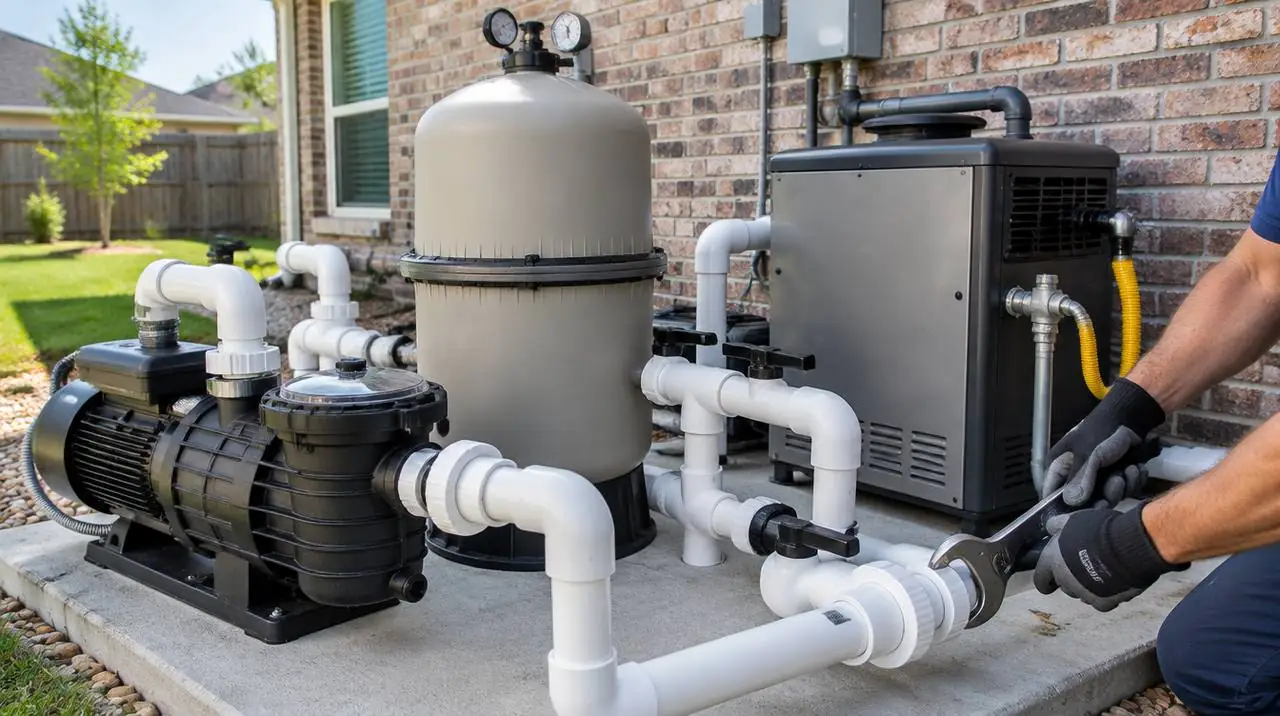
Keep the missing information explicit
When the filter label is unreadable, record the model as unknown and gather supporting evidence. Do not guess from the tank shape or from a similar-looking product online. A useful service request can begin without a model number, provided the uncertainty is clear and the technician knows what evidence is available.
For a Round Rock homeowner, that might mean saving a current equipment photograph, an installation receipt and a previous cleaning invoice together. None automatically proves the installed model. Together, however, they give a professional a practical starting point for checking the equipment.
Preserve what remains legible
Photograph the label as it is, including any readable letters, numbers or manufacturer name. Keep the full image alongside a closer view. Transcribe only characters you can actually distinguish, using a question mark for an uncertain character instead of quietly choosing one.
Avoid scraping, solvent experiments or removing parts in an effort to reveal the label. The task is documentation. If the label faces an inaccessible area, note that fact and leave inspection to a qualified professional. An ordinary photograph of the surrounding equipment can still establish which item needs attention.
Search your own records with dates in mind
Look for installation paperwork, earlier service reports and purchase emails already available to you. Sort them by date before treating any one document as current. A receipt for a replacement pump does not identify the filter, and an old filter manual may have survived a later equipment change.
Ask a former service provider whether its records identify the installed filter, if you have a legitimate relationship and contact information. Request the recorded model and the date it was observed. A dated observation is more informative than an undated recollection about the equipment originally purchased for the property.
Let identification remain a separate task
Tell the service provider that identification needs confirmation before model-specific work is planned. Do not order internal parts just to see whether they fit, or assume that a familiar-looking product photo settles the matter. Different paperwork can refer to different generations or equipment that is no longer present.
During the visit, ask how the identification was established. The answer might rely on accessible markings, installation records or further manufacturer clarification. Save that explanation with the resulting model entry. If identification remains uncertain, retain the uncertainty rather than turning a tentative suggestion into a permanent fact.
Close the documentation gap after verification
Once the model is confirmed, create a readable owner record in your household folder. Include the verification date, source and any remaining uncertainty about serial information. Preserve the original faded-label photograph so future providers can understand why the record exists.
Keep this owner note distinct from the manufacturer's physical label; do not present your transcription as factory documentation. For the next cleaning conversation, share the confirmed record verbally and explain where the supporting material is stored. That small follow-through prevents the same identification problem from consuming time at every future service visit.