
Pool equipment · 3 min read
What to record before calling about a new pool pump noise
Prepare a useful pool pump noise report with timing, recordings and recent changes, so your equipment repair conversation starts with clear observations.
By Deep Blue Pools ·
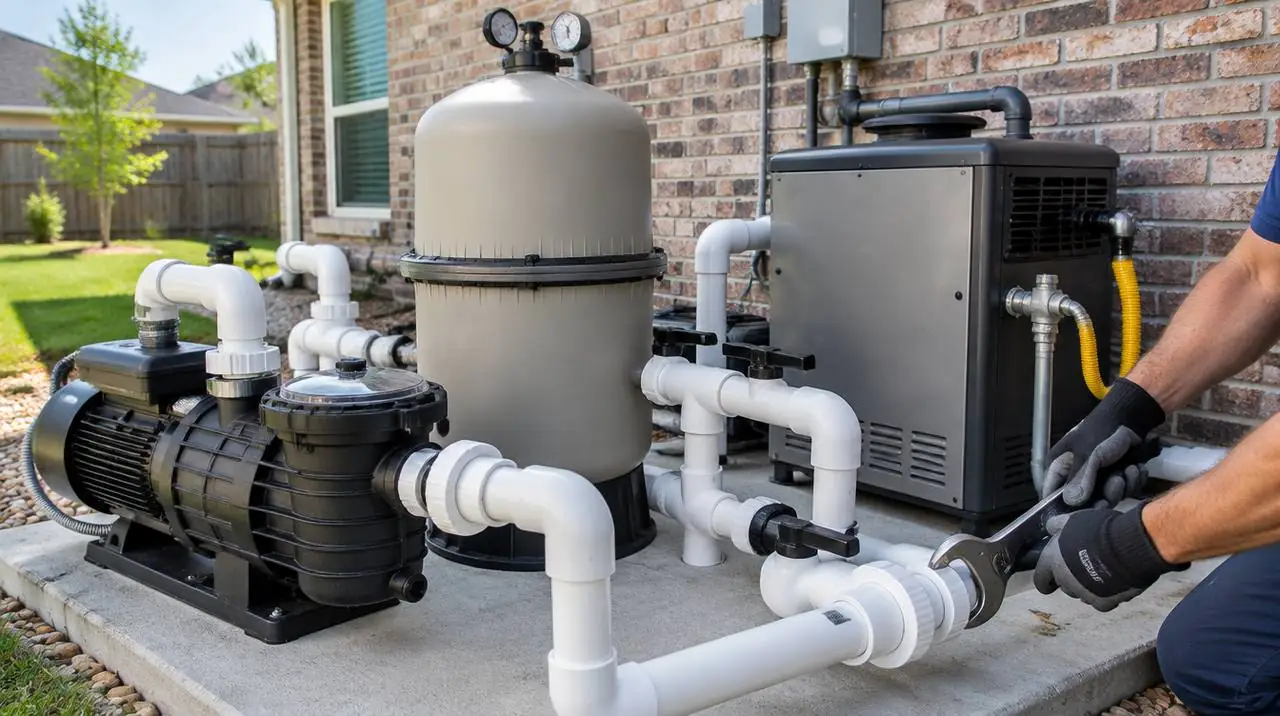
Describe the sound without naming a failed part
A useful pump noise report explains what you heard, when it happened and whether it is new. You do not need to decide which internal part is responsible. For a Hutto homeowner, a short description such as a new rattling sound during the evening schedule gives an equipment professional a better starting point than a guessed diagnosis. Keep your observations separate from explanations you have read online. Several pieces of equipment may be close together, so describe the location of the sound without claiming you have isolated its source. A recording filename that includes the observation date also helps keep separate incidents organized.
Make the timing specific
Write down the first date you noticed the change and whether it happens at startup, throughout operation or only during one scheduled period. If the noise stops before anyone arrives, this timeline can still be useful. Compare what you hear with the normal pattern you already recognize; do not deliberately cycle equipment to reproduce an unfamiliar problem. Record whether a pool or spa mode was showing at the time, if that information is visible on the normal display. An uncertain observation is worth recording as uncertain rather than filling in the gap.
Use a recording as supporting evidence
A brief recording made from a normal accessible position can help communicate an intermittent sound. Include enough context to show where you were standing, but avoid placing a phone beside moving equipment or reaching into the equipment area. Phone microphones can exaggerate some sounds and hide others, so a recording is not a diagnosis. Label it with the date and approximate time. If you have an older recording of normal operation, keep that separately identified; sending two unlabeled clips can make an otherwise helpful comparison confusing.
Connect the noise to recent events
List any recent service visit, equipment replacement, schedule edit or power interruption you actually know about. State the sequence without assuming that one event caused another. For example, the noise was first noticed the day after a schedule change is a useful observation; the schedule change broke the pump is an unsupported conclusion. Have the visible equipment model or existing paperwork available if you can obtain it without opening anything. Also note whether the concern affects your ability to use the pool or whether you simply want the unfamiliar sound assessed.
Turn the record into a service request
Call Deep Blue Pools at (512) 522-2823 to discuss the sound, its timing and the information you have collected. Ask what assessment is appropriate, whether recordings would help and what an initial visit would cover. Mention whether the sound interrupts a familiar operating period or appears only briefly, and keep the dated recording available for the discussion. Request clarity about assessment charges and any later repair authorization. Keep the original notes until the work is complete so you can describe whether the same sound returns, without asking a technician to rely on memory alone.